

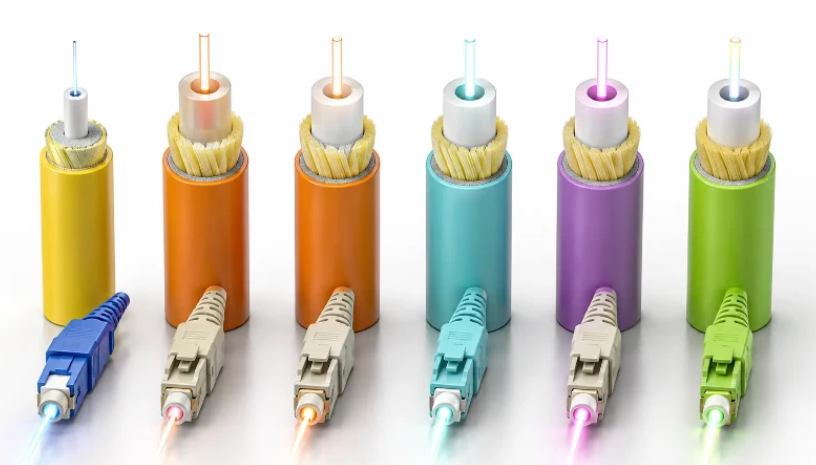
OS2 vs OM1-OM5 Fiber: Speed, Distance & Uses
OS2 is singlemode fiber, designed for long-distance transmission. OM1, OM2, OM3, OM4 and OM5 are multimode fiber types, designed for shorter, high-speed links inside buildings, campuses and data centers. In practice, OS2 is the best choice for long-haul singlemode links and any path that must scale beyond a few hundred meters, while OM3 and OM4
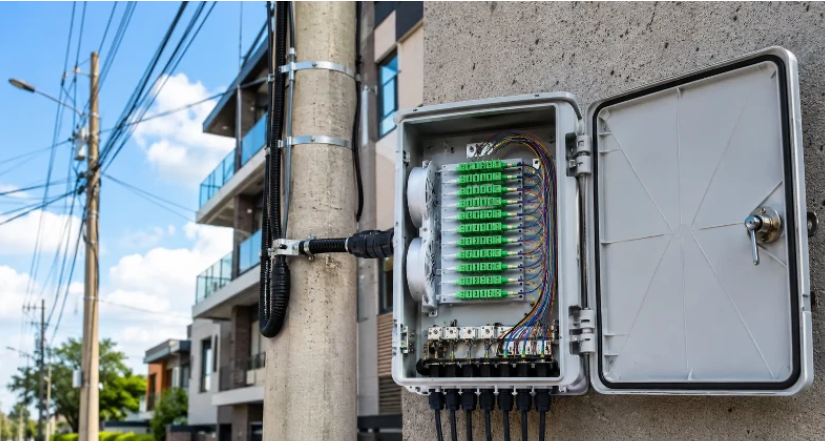
Outdoor Fiber Distribution Box: FTTH Selection Guide
An outdoor fiber distribution box is a sealed enclosure that protects, organizes, splices, and distributes optical fibers at an outdoor access point in an FTTx network. For FTTH, FTTB, and FTTC deployments, the right box is not the one with the highest port count. It is the one that matches your cable route, installation environment,
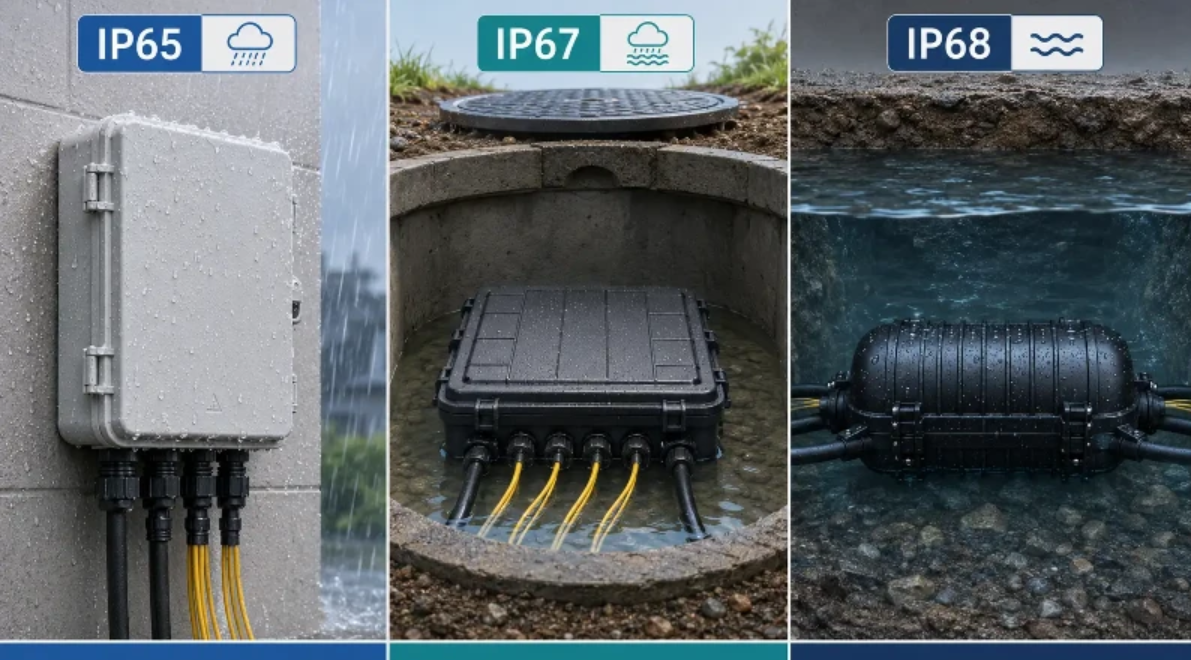
Fiber Enclosure IP Ratings: IP65 vs IP67 vs IP68
The IP rating for fiber optic enclosures is usually the first specification an engineer or buyer checks, because it summarizes how well a box resists dust and water. A quick answer first: IP65 suits wall- and pole-mounted enclosures exposed to rain and water jets; IP67 is the safer choice where temporary immersion is possible, such as underground handholes or
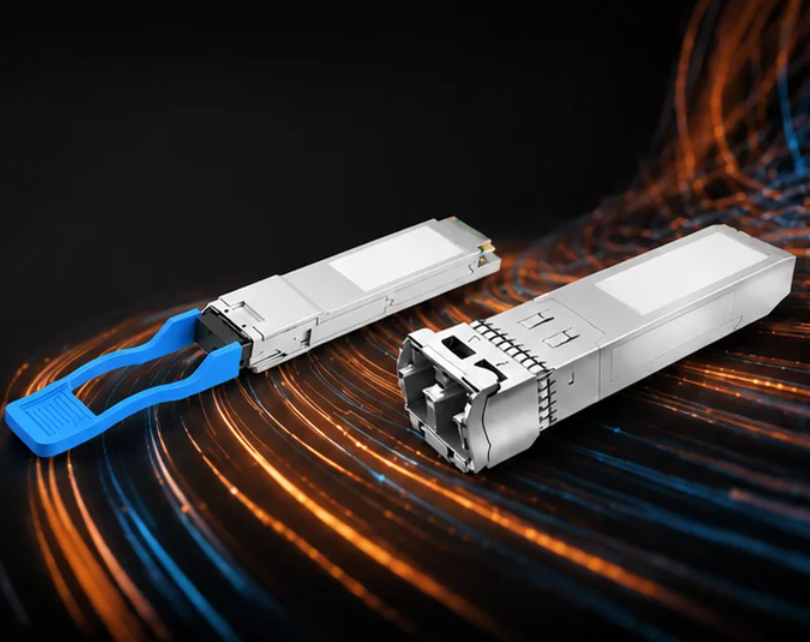
QSFP vs SFP: Which Transceiver Should You Choose?
Choosing between QSFP and SFP is rarely just a speed decision. It shapes port density, cabling design, switch compatibility, power and thermal budgets, and your upgrade path. Pick the wrong form factor and you can end up with a transceiver that fits the cage but never links, or an uplink design that costs far more
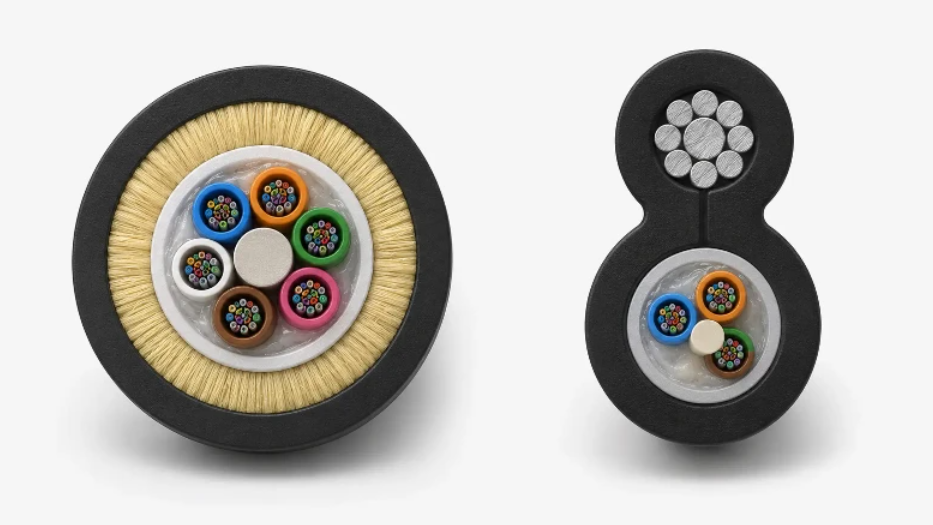
ADSS vs Figure 8 Fiber Cable: Which to Choose?
Choosing between ADSS and Figure 8 fiber cable is not just a specification choice. It shapes your pole attachment design, installation labor, grounding requirements, long-term reliability, and the safety of the entire aerial route. Choose ADSS fiber optic cable when the route runs along or near power lines, or when the cable must be fully dielectric with
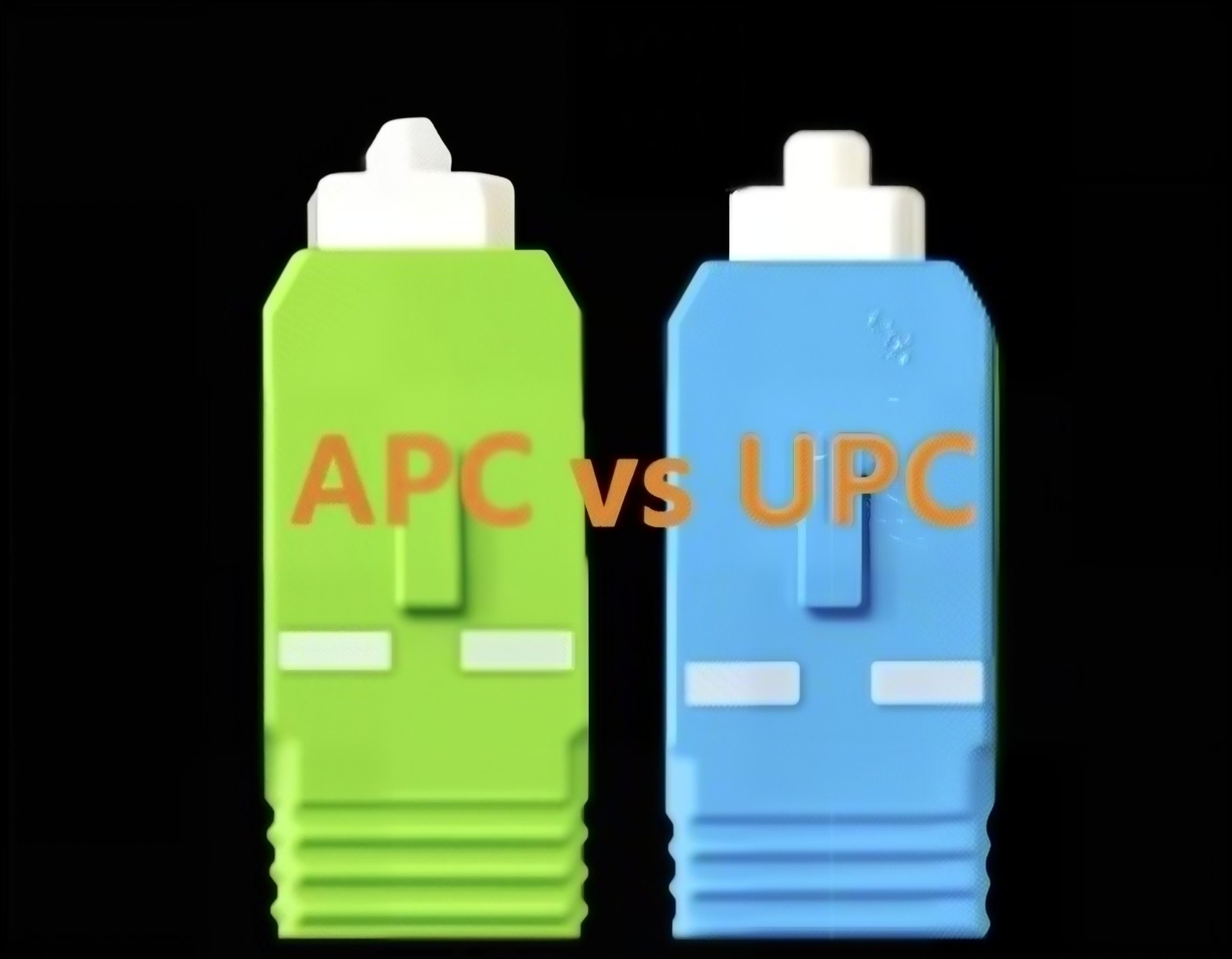
What is SC APC and UPC?
Introduction: Why APC Does Not Replace UPC as the Industry Standard The APC (Angle Polished Connector) has been found to provide better return loss than the UPC (Ultra Polished Connector). Why aren’t all fiber optic connectors made with an APC? The return loss of a fiber optic network is a critical parameter-especially in networks with signal reflections-the return loss specification is important